Learning how to make money on Instagram as a student is easier than most people think — but not in the way the “get rich quick” videos suggest. Instagram does not pay you for views the way YouTube does. A Reel with a million views can earn you exactly nothing from Instagram itself. The real money comes from somewhere else: brands that pay you to post, affiliate links that earn commission, and your own products sold to people who already trust you.
The good news: none of those income streams needs a huge following. You can land your first paid work with under 1,000 followers if your account is focused and your audience is engaged. This guide covers the seven realistic ways students earn on Instagram in 2026, what each one pays, and the exact steps to start this week — even if your account is brand new.
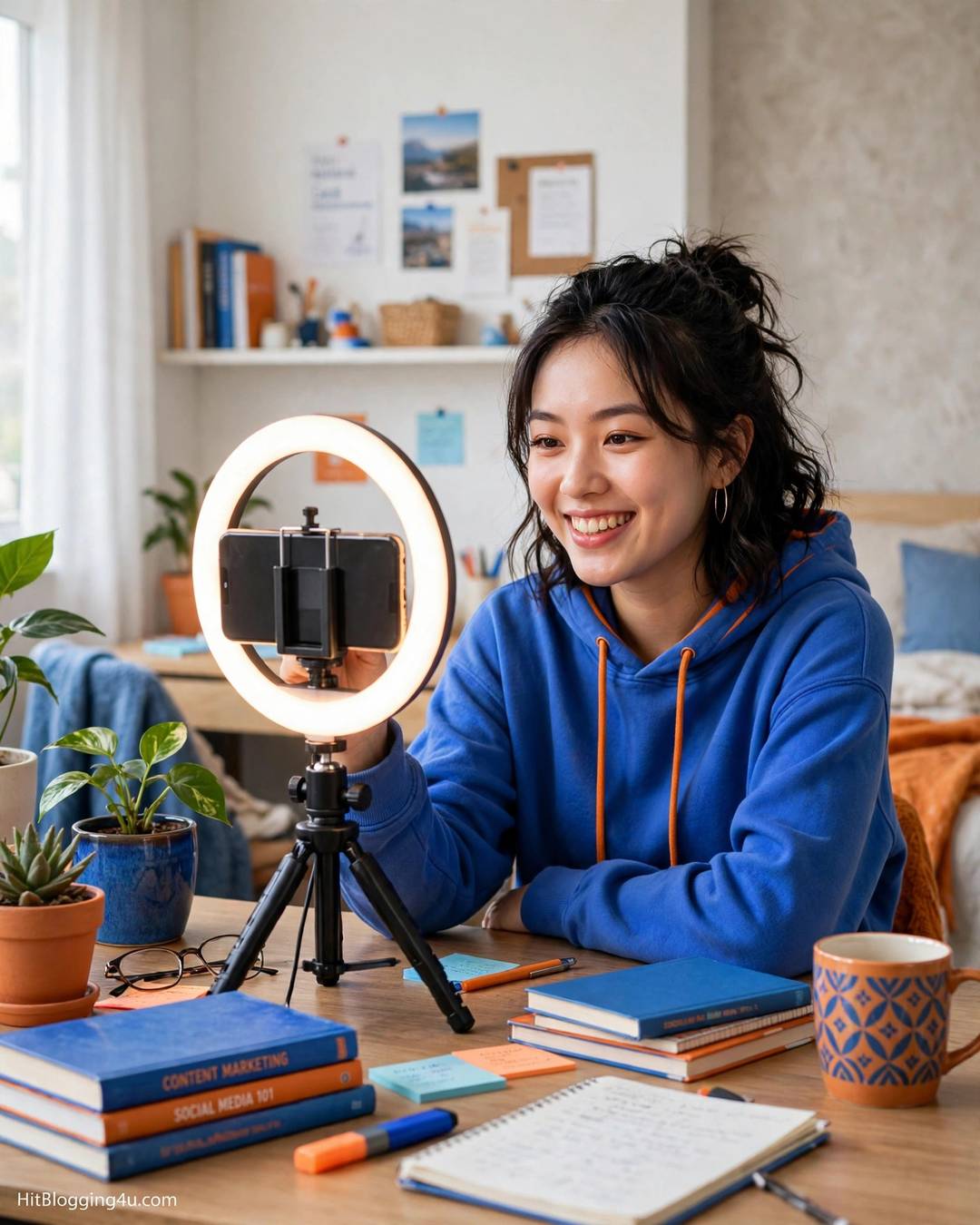
Can Students Really Make Money on Instagram?
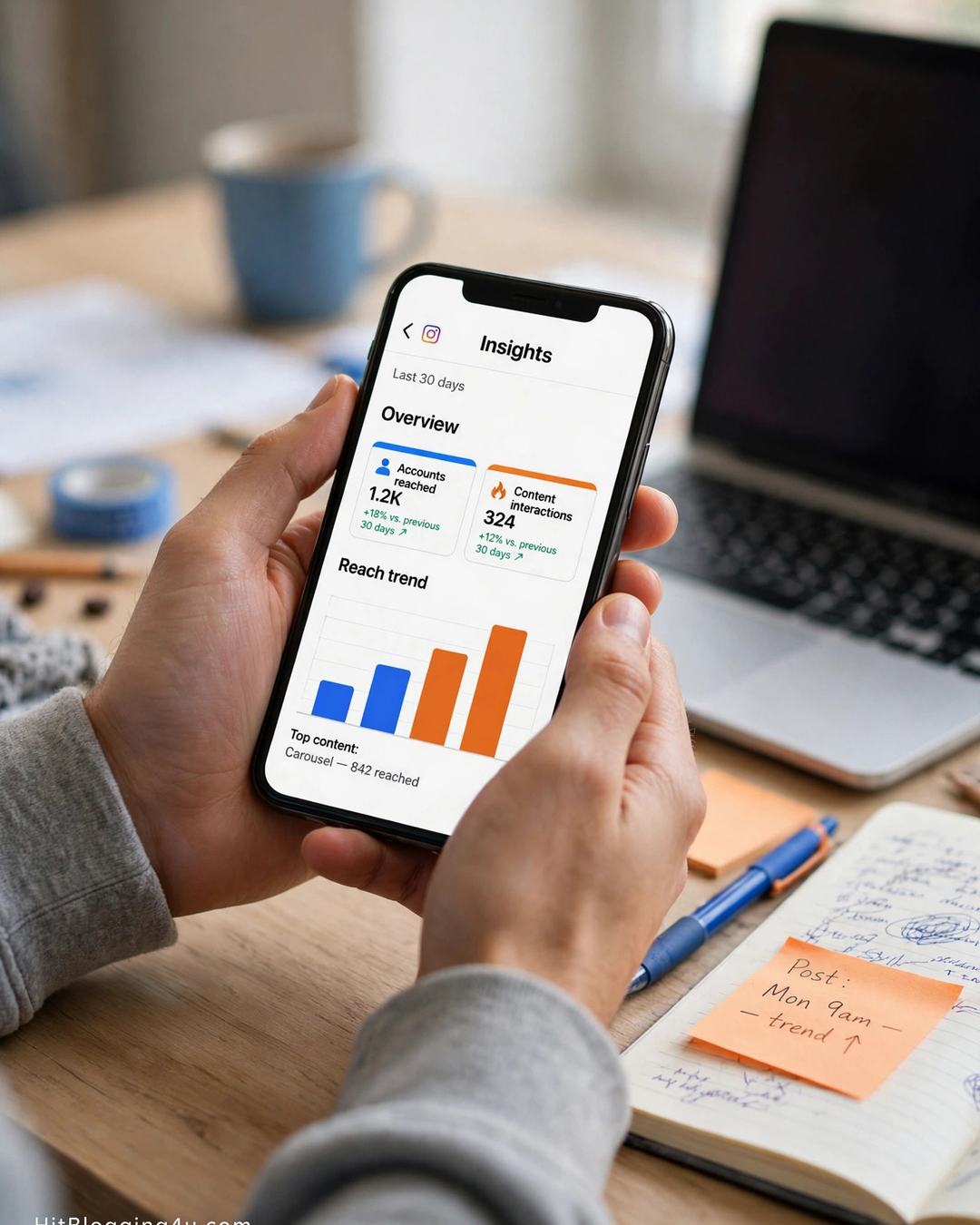
Yes — but it helps to understand how the money actually flows. Instagram has largely wound down its Creator Fund and the Reels Play Bonus for most creators. In 2026, Instagram’s own payouts are limited to a few tools: Gifts on Reels, paid Subscriptions, badges on Live, and invite-only bonuses. For most students, those tools are a small bonus, not the main income.
The main income comes from three sources outside Instagram’s own payouts: brands paying creators to feature products in posts, Reels and Stories; affiliate marketing, which pays a commission on every sale through your link; and your own products or services, with Instagram as the shop window that brings in buyers.
What matters most is not your follower count. It is whether the people who follow you trust you and act on what you recommend. A study-focused account with 2,000 engaged followers who buy the stationery, apps and books you recommend is worth more to a brand than a general account with 20,000 followers who never click anything.
How Much Money Can a Student Make on Instagram?
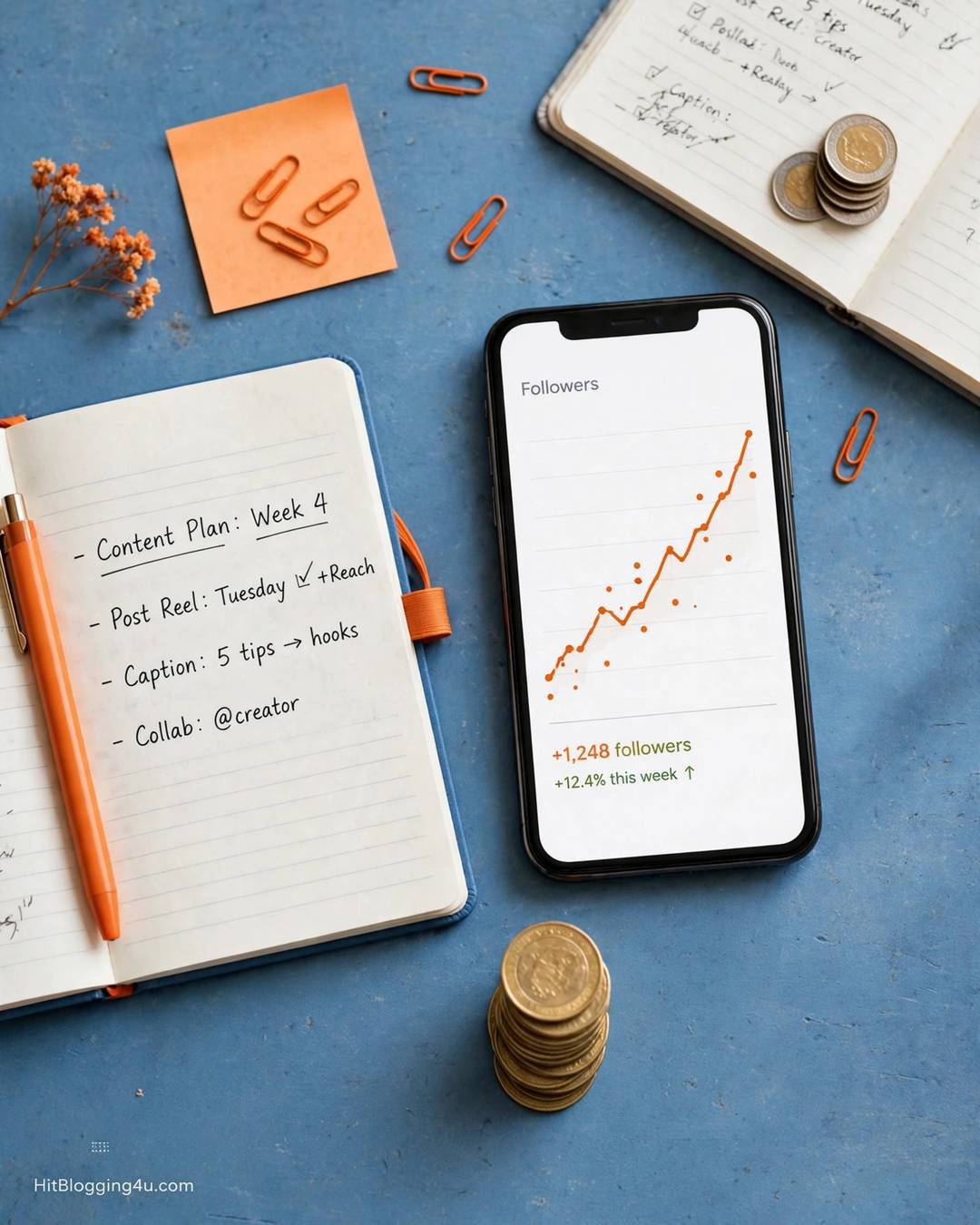
Earnings vary widely with your niche, engagement rate and how many income streams you stack. The table below shows rough 2026 ranges reported by industry sources for one sponsored post at each follower level — starting points for negotiation, not promises.
| Follower count | Typical rate per sponsored post | What is realistic at this level |
|---|---|---|
| Under 1,000 | Gifted products, $25–$75 | UGC work, affiliate links, first small brand deals |
| 1,000–10,000 | $25–$500 | Regular small brand deals, affiliate income, first digital product sales |
| 10,000–50,000 | $200–$1,500 | Steady brand deals, Subscriptions unlocked, meaningful affiliate income |
| 50,000–100,000 | $500–$3,000 | Multiple brand deals a month, retainers possible |
Surveys of creators back this up. A HypeAuditor survey of 1,865 Instagram influencers found influencers earn $2,970 per month on average, while those with 1,000 to 10,000 followers earn $1,420 per month on average. The same survey found 71% of influencers with 1,000 to 10,000 followers earn up to $100 per sponsored post — modest per post, but real money for a student, and it grows as the account grows.
One more number worth knowing: Instagram itself pays $0 for views. Creators who have shared bonus payouts report roughly $0.01–$0.20 per 1,000 views, and only if they were invited into a bonus programme. If your plan is “go viral and get paid by Instagram”, it will not work. The plan that works is building an audience brands want to reach, then getting paid by those brands.
7 Ways to Make Money on Instagram as a Student
These seven methods are ordered by how soon a beginner can start earning from them. The first four need no follower minimum at all.
1. Brand Deals and Sponsored Posts
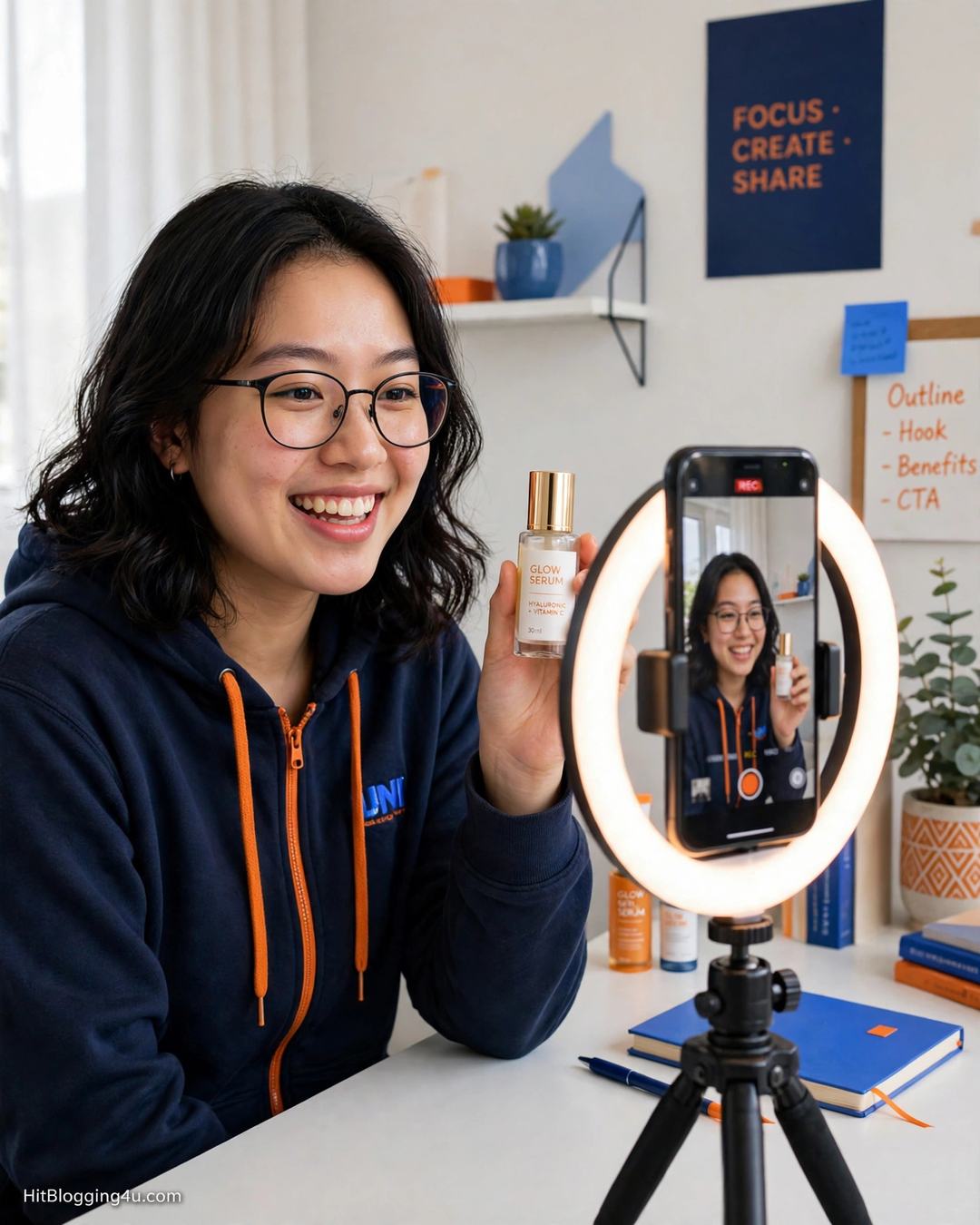
A brand deal is simple: a company pays you to show its product to your followers in a post, Reel or Story. Brands pay for access to a specific audience, so a small, focused account can win deals. A stationery brand would rather pay a study account with 3,000 followers than a meme page with 100,000.
To get your first deal, list yourself in the Meta Creator Marketplace once you pass 1,000 followers, join influencer platforms such as Aspire or Collabstr, and pitch brands directly. A short pitch works: who you are, what your account is about, your follower count and engagement rate, and one idea for a post featuring their product. Start with brands you already use — student-friendly apps, stationery, snacks and campus services are the easiest yeses.
2. UGC: Get Paid to Create Content for Brands
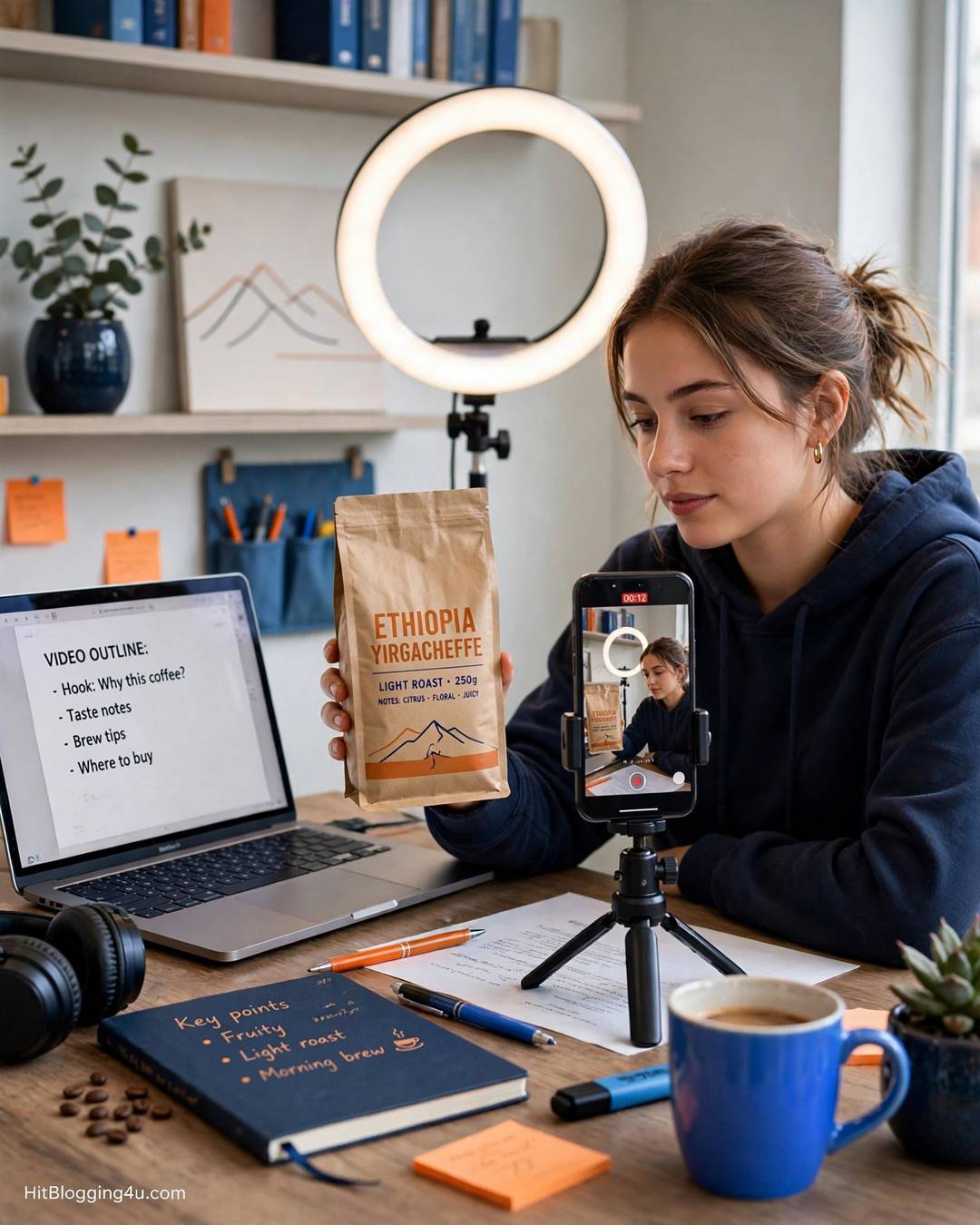
UGC (user-generated content) is the fastest way for a student to earn on Instagram, because it needs no audience at all. Brands pay you to film short videos or take photos of their products — and then they post that content on their own accounts. Your follower count does not matter, because your account is not the distribution channel; your skill is.
Start by making three or four sample videos: a 30-second product review, an unboxing, and a “how to use it” clip. Post them as a portfolio, then pitch small brands with the samples attached. UGC rates for beginners are often $50–$250 per video, and the work fits around classes because one video takes an hour or two to shoot and edit.
3. Affiliate Marketing
Affiliate marketing means you recommend a product with your own link or discount code, and you earn a commission on every sale. Amazon Associates, LTK and ShopMy are the most common programmes for Instagram creators, and many brands run their own affiliate schemes too.
The method works best when you recommend things you genuinely use — the laptop stand on your desk, the planner app you study with, the headphones you wear in the library. Put the link in your bio with a link-in-bio tool, mention it in Stories, and always disclose that it is an affiliate link. Students who already post about study gear, tech or fashion can add affiliate income without changing what they post. If you want the full beginner walkthrough, read our guide to affiliate marketing for beginners.
4. Sell Your Own Digital Products
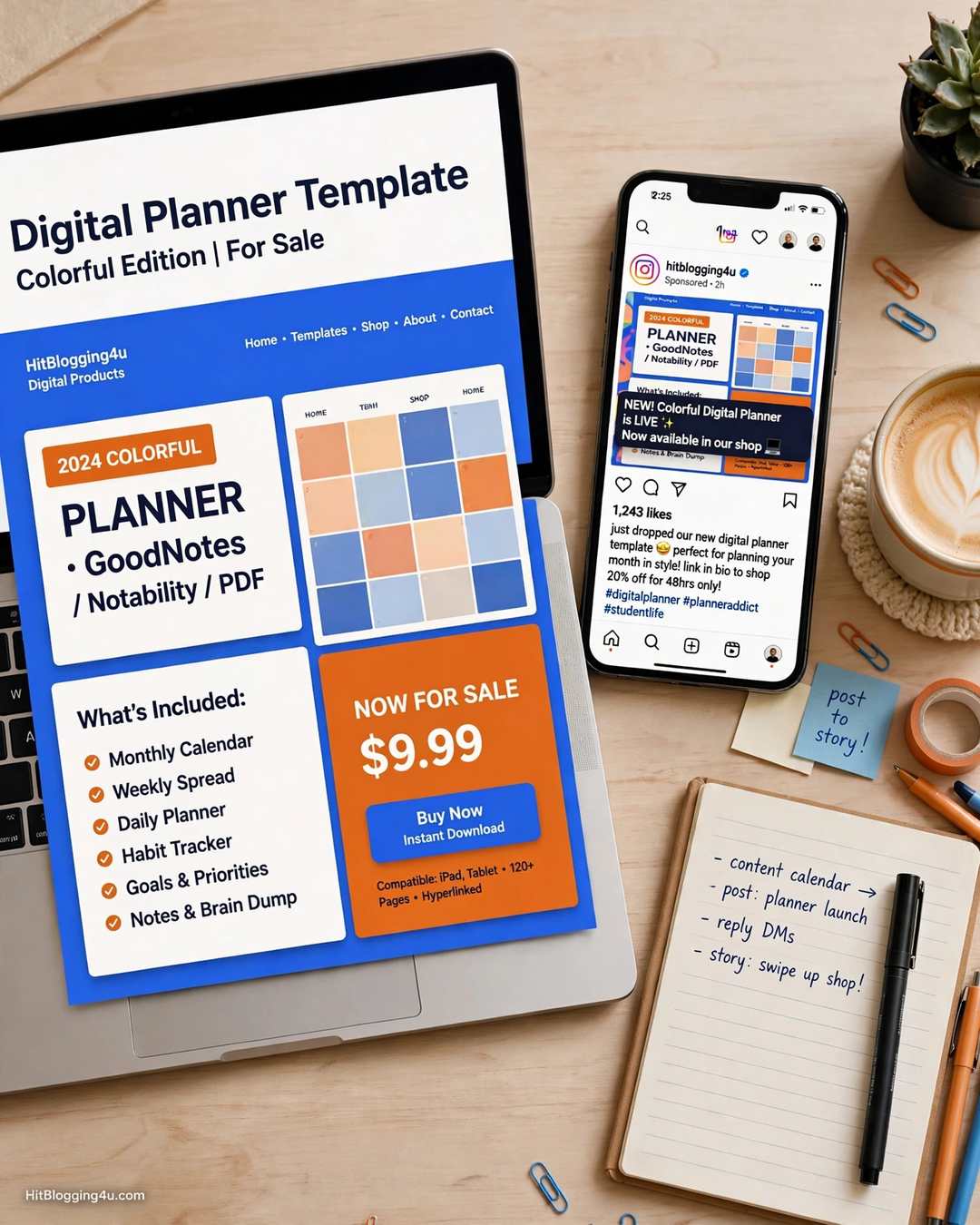
Digital products are often the highest-earning stream for student creators, because you keep almost all of the sale price and there is no stock to manage. The products students actually buy from other students include Notion templates, study planners, revision notes, resume templates, Lightroom presets and printable wall art.
You already know how to make most of these — that is the point. Package something that helped you (a revision system, a budget tracker, a set of essay templates), price it between $5 and $25, and sell it through Gumroad or Etsy with the link in your Instagram bio. Then post Reels showing the product solving a real problem. Our guide to selling digital products as a student covers the whole process step by step.
5. Sell a Service Through Your Profile
If you have a skill, Instagram can be your client pipeline. Students earn through their profiles by offering tutoring, graphic design, video editing, social media management for local businesses, photography and CV writing. Your feed becomes your portfolio: every post is proof of what you can do.
Set your bio to say clearly what you offer and who it is for — “I edit Reels for small businesses” beats “content creator” — and pin your three best examples to the top of your profile. One or two clients a month can pay more than a dozen small brand deals, and the work builds a CV at the same time. If you have never freelanced before, start with our guide on how to start freelancing as a student with no experience.
6. Campus Ambassador and Creator Jobs
Brands hire students to represent them on campus: posting about the brand, handing out samples, running small events and collecting feedback. These ambassador roles pay a fixed fee or a monthly retainer, and they are one of the easiest first paid gigs because brands expect student creators, not polished influencers.
Look for ambassador programmes from apps, food and drink brands, and student services — many recruit through Instagram itself, so search “campus ambassador” and follow the brands you use. Your university’s societies and student union pages are another place these roles get advertised.
7. Instagram’s Own Payout Tools: Gifts, Subscriptions and Bonuses
Once you meet the thresholds, Instagram’s built-in tools add a smaller, steadier income on top of the methods above. Gifts on Reels open at 500 followers: viewers send Stars worth $0.01 each, and Instagram pays out once your balance reaches $25. Subscriptions open at 10,000 followers, letting fans pay a monthly fee for exclusive content. Live badges let viewers tip during live streams. Invite-only bonuses pay a small amount per view for some creators, but you cannot apply for them — Instagram invites you.
All of these tools need a professional (creator or business) account, and you must be 18 or older. They are worth switching on when you qualify, but none of them should be your plan. Build the brand and affiliate income first; treat Instagram’s own payouts as a bonus.
How to Start Making Money on Instagram as a Student
Follow these five steps in order. Most students can complete the first three in a single weekend.
Step 1: Pick one niche. Choose a topic you know and enjoy — studying, budgeting, fitness, books, tech, cooking on a student budget. One focused topic grows faster than a mixed feed, because every new follower knows exactly what they will get.
Step 2: Switch to a creator account. In Settings, switch from a personal account to a creator account. It is free, it unlocks insights (so you can see which posts actually perform), and it is required for Gifts, Subscriptions and the Creator Marketplace. Add a clear bio: what you post about, who it is for, and your link.
Step 3: Post Reels consistently for 30 days. Reels get roughly twice the reach of other Instagram formats, so make them your main format. Post three to four Reels a week for a month — short tutorials, before-and-after results, honest reviews, day-in-the-life clips. Consistency matters more than perfection: the accounts that earn are the ones that post every week without long gaps.
Step 4: Build a simple media kit. Once you pass 1,000 followers, make a one-page media kit: your niche, follower count, average views and engagement rate, audience age and location, and your rates. Screenshot your insights for proof. Brands take you seriously when you arrive with numbers.
Step 5: Pitch five brands a week. Do not wait to be discovered. Every week, pitch five brands that fit your niche — three small ones likely to say yes, two bigger ones worth trying. Keep a simple spreadsheet of who you pitched, when, and what they replied. Your first yes usually comes from a brand you pitched, not one that found you.
5 Mistakes Students Make When Trying to Earn on Instagram
1. Buying followers. Fake followers destroy your engagement rate, and brands check engagement before they pay. A bought audience is the fastest way to make your account worthless to advertisers.
2. Posting about everything. An account that mixes study tips, gym clips, food and memes gives brands no clear audience to buy. Pick one niche and stay in it for at least three months.
3. Skipping disclosure. Paid partnerships and affiliate links must be labelled — use Instagram’s paid partnership tag and say “affiliate link” where it applies. Undisclosed ads can get your account restricted and will cost you brand trust.
4. Waiting for 10,000 followers. UGC, affiliate links, digital products and services need no minimum at all. Students who wait for a magic follower count lose months of income they could already be earning.
5. Ignoring the numbers. Check your insights weekly: which posts get saves, shares and profile visits. Saves and shares are what grow an account; likes alone tell you very little. Double down on whatever format your audience saves most.
Frequently Asked Questions
How many followers do you need to make money on Instagram as a student?
There is no official minimum for most income streams. You can earn from UGC, affiliate links and your own products with under 1,000 followers, and small brand deals typically start around 1,000 engaged followers. Instagram’s own tools have thresholds: Gifts need 500 followers and Subscriptions need 10,000. What matters more than the count is engagement — brands pay for an audience that acts, not just a number.
Does Instagram pay you for views?
For most creators, no. Instagram does not share ad revenue the way YouTube does, so a Reel with a million views earns $0 from Instagram itself. The exceptions are invite-only bonuses, which creators report pay roughly $0.01–$0.20 per 1,000 views, and Gifts, where viewers send Stars worth $0.01 each. The real money on Instagram comes from brands, affiliate commissions and your own products.
How much can a student realistically earn on Instagram?
A beginner with 1,000–10,000 engaged followers can realistically earn $50–$500 a month from a mix of small brand deals, affiliate commissions and a first digital product. A HypeAuditor survey found influencers in that follower range earn $1,420 per month on average — but that average includes creators who treat it as a full-time job. Treat the first $100 as the milestone, then grow from there.
Can you make money on Instagram without showing your face?
Yes. Faceless accounts work well in study, finance, quotes, tech and product niches — screen recordings, flat-lay photos, hands-only demos and voiceover Reels all perform without a face on camera. UGC work can also be faceless if you film products rather than yourself. The audience needs to trust the content, not see your face.
Is it legal for students under 18 to earn money on Instagram?
Students under 18 can earn through brand deals and affiliate marketing, but Instagram’s own monetisation tools (Gifts, Subscriptions, bonuses) require you to be 18 or older, and affiliate programmes such as Amazon Associates also require an adult account holder. If you are under 18, a parent or guardian usually needs to hold the payout account, and you should check the tax rules where you live before your first payout arrives.
Conclusion
Learning how to make money on Instagram as a student comes down to one honest idea: Instagram is the shop window, not the pay cheque. The platform will not pay you for views, but it will put you in front of the exact people brands want to reach — and that attention is what you sell, through brand deals, UGC, affiliate links and your own products.
Your practical next step is small: pick one niche today, switch to a creator account, and post your first three Reels this week. At the same time, make one UGC sample video for a product you already own and pitch it to that brand. That single video can become your first paid work before your follower count matters at all — and it is the same path students use to build income on TikTok and YouTube.