
Most “remote jobs for students” lists are padded with gigs that pay pennies, demand experience you do not have yet, or turn out to be scams that ask you to pay first. This list is different. Every one of these 10 part-time remote jobs for students actually pays a real hourly rate, genuinely hires students for 10 to 20 hours a week, and needs no degree, no upfront fee, and no experience beyond what a motivated student can learn in a few days.
Pay figures below are realistic 2026 ranges for beginners, drawn from what platforms and employers actually advertise — not the inflated numbers in job ads. Use them to pick a job that fits your skills, your timetable, and the number of hours you can honestly give each week.

How These 10 Part-Time Remote Jobs for Students Were Picked
A job only made this list if it passed four tests. First, employers must actually hire students part-time — not just full-time workers who happen to be young. Second, the pay must be real: at least $12 an hour for a beginner, with a clear path to more. Third, you must be able to start with skills you already have or can learn free in under a week. Fourth, nobody asks you to pay to get hired — ever. If a listing fails any of these, it is not on this list.
One more rule before you apply: keep your hours to 10 to 15 a week during term time. The best-paid remote job in the world is a bad deal if it costs you your grades. The jobs below are ranked by a mix of pay, flexibility, and how easy they are to start.
The 10 Part-Time Remote Jobs for Students That Actually Pay
1. Online Tutor — $20 to $45 an Hour

Tutoring pays the most per hour of any student remote job, because you are selling knowledge you already have. If you got an A in a subject, someone will pay you to explain it. Platforms like Wyzant, Preply, and Chegg connect you with learners worldwide, and you set your own hours around your classes.
Start at $20 to $25 an hour to collect your first reviews, then raise your rate. Experienced student tutors charge $30 to $45, and private clients — found through your own posts or referrals — pay the full rate with no platform cut. Wyzant keeps 25% of what you earn on the platform, and Preply keeps 33% falling to 18% as your hours grow, so moving good clients off-platform (once the platform allows it) is worth real money. Our full guide to how to become an online tutor as a college student walks through platforms, pricing, and the first 30 days.
2. Virtual Assistant — $15 to $28 an Hour
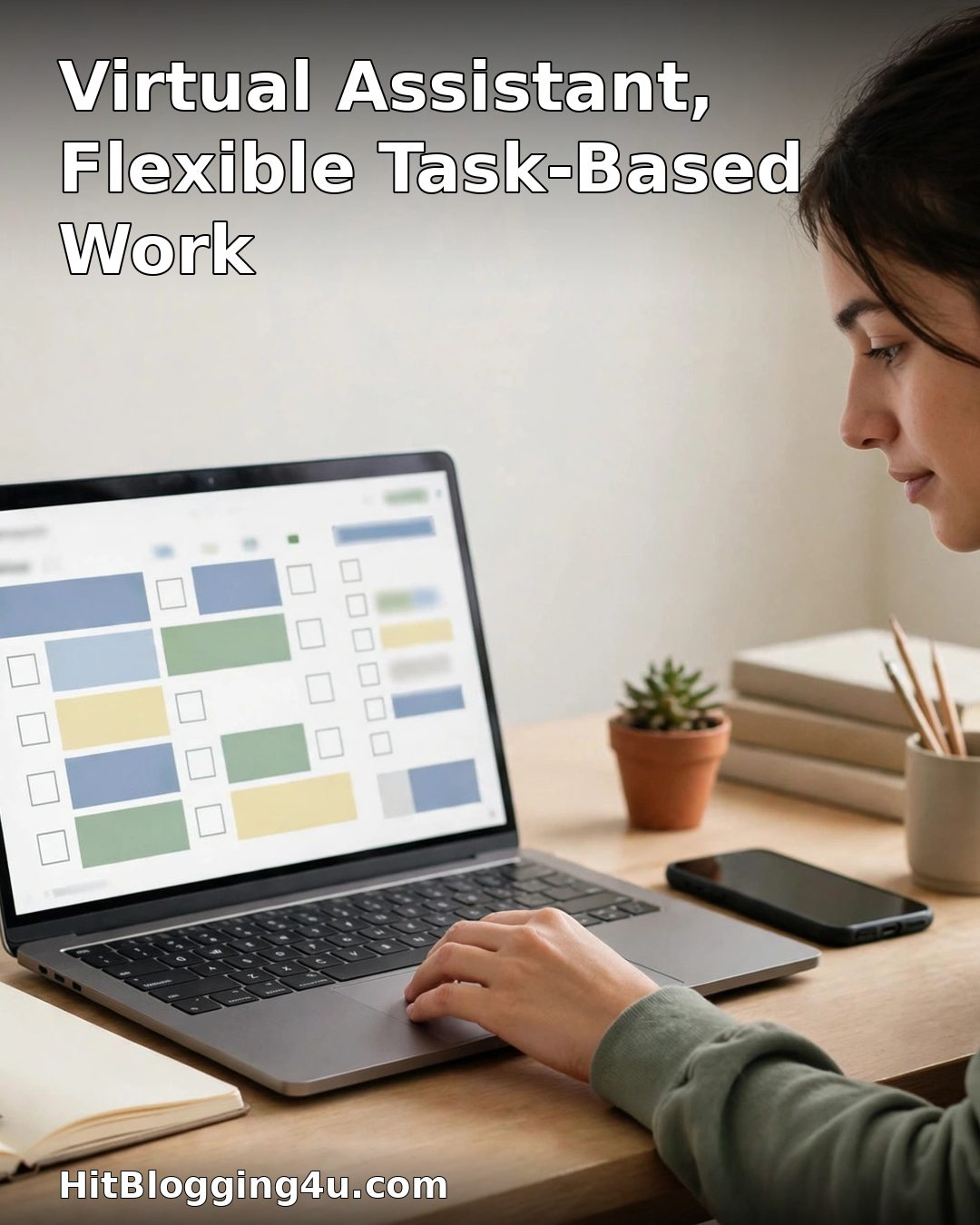
Virtual assistants handle the tasks small businesses do not have time for: answering emails, booking appointments, updating spreadsheets, managing calendars, and doing online research. It is the most flexible job on this list because the work is task-based — you can do it in the gaps between lectures instead of fixed shifts.
You need no special qualification, just reliability, clear written English, and basic tools like Google Workspace or Microsoft Office. Start on Upwork or Belay, or pitch directly to small businesses and student societies. Good virtual assistants who learn one extra tool — Canva, Notion, or a scheduling app — move from $15 to $25 an hour within a few months.
3. AI Data Labelling and AI Training — $15 to $35 an Hour
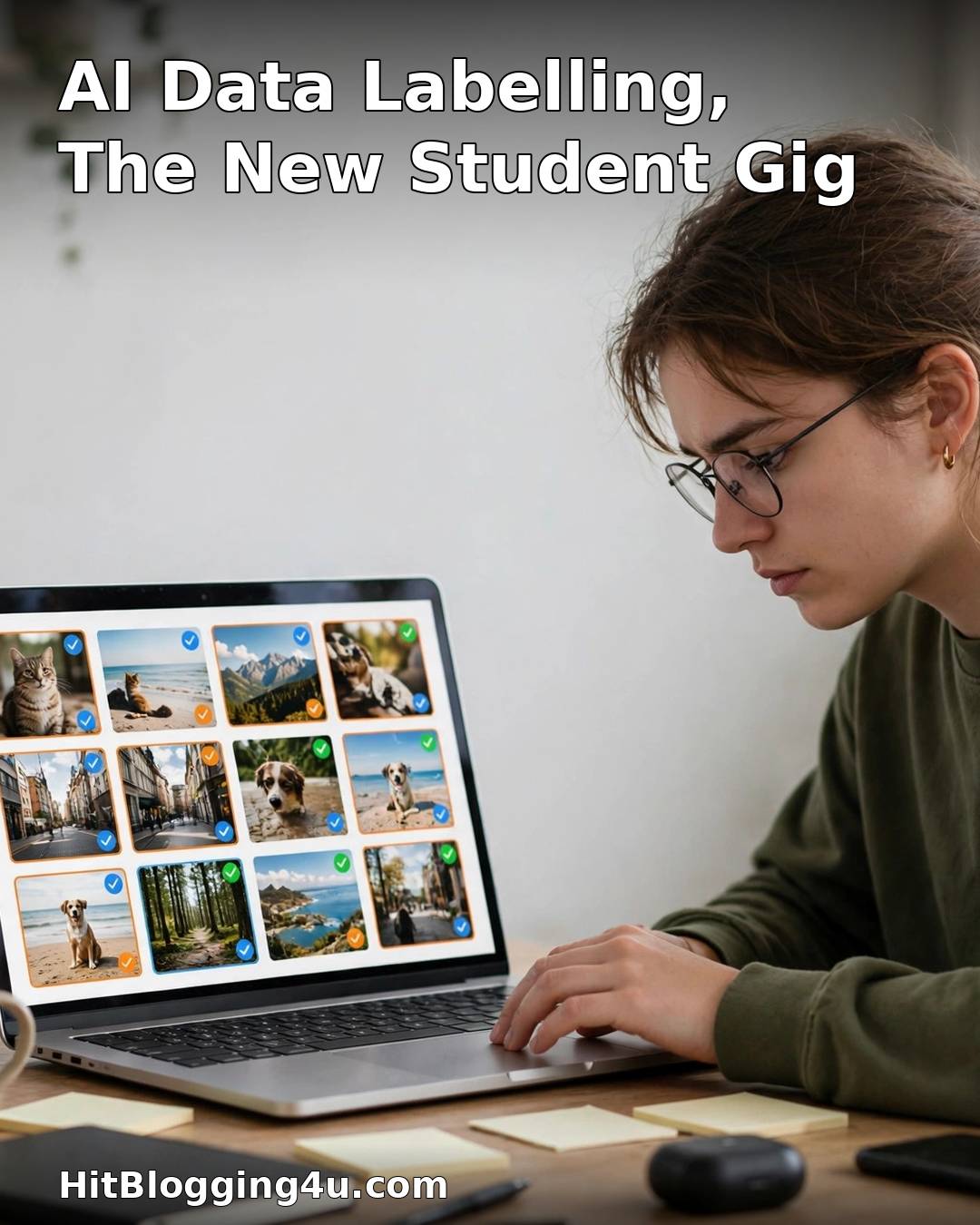
AI companies pay humans to label images, check chatbot answers, and rate AI responses — and students are ideal for it, because the work is online, flexible, and rewards careful reading. Platforms like DataAnnotation, Remotasks, and Scale AI hire students for these roles, and specialised tasks such as coding evaluation or medical image annotation pay $30 to $40 an hour once you pass the assessment tests.
Basic labelling starts at $15 to $25 an hour, and you choose your own hours — many students do it in short bursts between classes. The catch: work can be irregular, so treat it as a flexible top-up rather than a guaranteed weekly wage. Never pay for “training” to join a labelling platform; legitimate ones pay you, not the other way round.
4. Freelance Writer — $20 to $40 an Hour
Businesses, blogs, and student publications pay for clear writing: blog posts, product descriptions, emails, and social media captions. If you can write a clean 500-word article, you can do this job — and your own coursework is your first portfolio. English, journalism, and humanities students have a head start, but anyone who writes clearly can learn the rest.
Beginners typically earn $20 to $30 an hour (or $0.05 to $0.10 a word) and rise to $40 as they build a niche — finance, tech, and health writing pay best. Start on Upwork or Contently, or pitch directly to small blogs. If you want the full starting plan, our guide to 7 freelance skills students can learn in 30 days includes writing, and our post on how much a student freelancer should charge per hour shows you how to set your rate.
5. Social Media Manager — $15 to $25 an Hour

Small businesses, cafés, clubs, and creators hire students to run their Instagram, TikTok, or X accounts: planning posts, writing captions, replying to comments, and tracking what works. You already know these platforms better than most business owners — that is the skill.
Most roles ask for 5 to 10 hours a week per client at $15 to $25 an hour, and two or three small clients add up to a solid part-time income. Learn one scheduling tool (Buffer or Later) and basic Canva design, and you can charge more than a student who only posts. Keep a small portfolio of accounts you have grown, even if one of them is your own.
6. Customer Support Chat Agent — $14 to $22 an Hour

Customer support is the part-time remote job most likely to come with a defined, advertised schedule — SaaS companies and online retailers run structured part-time shifts to cover evenings and weekends, which suits student timetables well. You answer customer questions by live chat or email, usually following scripts and a help centre.
Pay runs $14 to $22 an hour, and most employers provide one to two weeks of paid training. The work is steadier than gig work — you get a real shift pattern and a predictable paycheque — but it is less flexible than task-based jobs, so check the shift times against your lecture schedule before you accept. Companies like ModSquad and The Social Element hire students for this kind of work.
7. Transcriptionist — $15 to $25 an Hour
Transcription means turning audio into text: interviews, lectures, podcasts, and meetings. If you type at 70 words per minute or faster, this is one of the easiest remote jobs to start, and the work is almost entirely asynchronous — you pick up a file, transcribe it, and submit it on your own schedule.
Beginners earn $15 to $20 an hour of audio (experienced transcribers earn $25), and platforms like Rev and TranscribeMe hire new workers after a short test. A decent pair of headphones and a free foot-pedal app make the work twice as fast. Avoid any transcription “job” that asks you to buy software or pay a registration fee first.
8. Email Marketing Assistant — $16 to $24 an Hour
Small businesses and startups hire part-time assistants to draft newsletters, schedule email campaigns, and clean up subscriber lists. If you can write clearly and learn a tool like Mailchimp in an afternoon, you are qualified — no degree or experience required.
Pay usually runs $16 to $24 an hour for 10 to 20 hours a week, and the work is fully asynchronous, so you can do it between classes. It is also a genuinely useful skill: email marketing experience looks strong on a resume for marketing, communications, and business roles. One client often leads to more, because every small business that sends emails needs the same help.
9. Junior Graphic Designer — $18 to $28 an Hour
Startups, student organisations, and small agencies hire part-time junior designers for social graphics, slide decks, and simple brand assets. You do not need a design degree — a solid Canva portfolio and a few practice projects are enough to get started, and Figma skills (free to learn) push your rate higher.
Pay typically runs $18 to $28 an hour, and the work builds a portfolio that pays off long after graduation. Build five sample designs first — an Instagram post set, a poster, a slide deck, a logo, and a flyer — and show them on a free Behance or personal page. Design is one of the skills covered in our 7 freelance skills students can learn in 30 days guide.
10. Research Assistant and Note-Taker — $12 to $18 an Hour
Professors, graduate students, and accessibility offices hire students for research help: finding sources, summarising papers, organising data, and taking lecture notes for students with disabilities. The pay is the lowest on this list at $12 to $18 an hour, but the work is steady, on campus or remote, and directly connected to your studies.
Ask your professors and your university’s accessibility or disability office — many of these roles are never advertised publicly. Some schools pay a flat stipend per course instead of an hourly rate. It will not make you rich, but it is reliable, it fits around classes perfectly, and a professor who knows your work writes the best reference letters.
Pay at a Glance: All 10 Part-Time Remote Jobs for Students
| Job | Beginner pay | Hours per week | Flexibility |
|---|---|---|---|
| Online tutor | $20–$45/hr | 5–15 | You set your hours |
| Virtual assistant | $15–$28/hr | 10–20 | Task-based, very flexible |
| AI data labelling | $15–$35/hr | 5–15 | Pick up tasks anytime |
| Freelance writer | $20–$40/hr | 5–20 | Project-based |
| Social media manager | $15–$25/hr | 5–10 per client | Mostly asynchronous |
| Customer support chat | $14–$22/hr | 10–20 | Fixed shifts |
| Transcriptionist | $15–$25/hr | 5–15 | Pick up files anytime |
| Email marketing assistant | $16–$24/hr | 10–20 | Fully asynchronous |
| Junior graphic designer | $18–$28/hr | 5–15 | Project-based |
| Research assistant / note-taker | $12–$18/hr | 5–10 | Fits around classes |
Notice the pattern: the highest-paying jobs (tutoring, writing, design) reward a skill you can show, while the most flexible jobs (virtual assistance, AI labelling, transcription) reward reliability and availability. Pick the column that matters most to you right now — pay or flexibility — and start there.
How to Land Your First Remote Job in 7 Days
You do not need a long job hunt. Follow this one-week plan:
- Day 1: Pick one job from this list — the one closest to a skill you already have. Trying to apply for five different jobs at once is how students end up with none.
- Day 2: Make one proof of skill. A tutor records a 2-minute sample lesson; a writer publishes one sample article; a designer makes five Canva graphics; a VA organises a sample spreadsheet. One good sample beats a long resume.
- Day 3: Set up profiles on two platforms that fit your job (Upwork + Fiverr for freelance work, Wyzant or Preply for tutoring, Rev for transcription, DataAnnotation for AI labelling).
- Day 4: Apply to five real listings with a short, specific message — name the skill, link the sample, and say your available hours. Generic “I am hardworking” messages get ignored.
- Day 5: Pitch three people directly: a small business, a club, a professor, or a local shop with a weak Instagram account. Direct pitches convert far better than platform applications.
- Day 6: Do a small paid test task well and fast, even if the rate is low. Your first review is worth more than your first paycheque.
- Day 7: Review what worked, raise your rate slightly for the next application, and keep applying. Most students who follow this plan get their first paid work within two weeks.
If you need more ideas beyond these ten, our list of 25 legitimate work from home jobs with no startup fee covers micro-tasks, captcha typing, and other no-experience options, and the best side hustles for students with only 5 hours a week shows what fits an even tighter schedule.
5 Red Flags: Remote Job Scams Targeting Students
Students are a favourite target for job scams because scammers know you need money and may not have seen these tricks before. Walk away from any listing that shows one of these signs:
1. You have to pay to start. Registration fees, training fees, starter kits, deposits — a real employer pays you, never the reverse.
2. The pay is absurdly high for simple work. “$5,000 a week for data entry, no experience needed” is not a job; it is bait.
3. They move you off the platform immediately. “Message me on WhatsApp” in the first reply usually means the listing would not survive the platform’s own checks.
4. They ask for personal or banking details upfront. No employer needs your bank login, an OTP code, or a photo of your ID before an interview.
5. Reshipping or payment-processing “work.” Receiving packages or cashing cheques for an “employer” can make you part of a money-laundering scheme. Legitimate remote jobs never involve handling someone else’s money or parcels.
Our full guide to how to spot and avoid freelance job scams covers the complete red-flag checklist and what to do if you have already been scammed.
Frequently Asked Questions
What remote jobs pay the most for students?
Online tutoring pays the most per hour — $20 to $45, with experienced tutors earning more from private clients. Freelance writing ($20–$40) and specialised AI data labelling ($30–$40 for coding or medical tasks) are close behind. The common thread: jobs that pay for a demonstrable skill beat jobs that pay for availability.
Can a student get a part-time remote job with no experience?
Yes. Virtual assistance, AI data labelling, transcription, research assistance, and note-taking all hire beginners — the platforms test your skills rather than your resume. What matters is one proof of skill: a sample, a test score, or a small project. Start with one of these, build a review or two, and move up to higher-paying work.
How many hours a week should a student work remotely?
Most advisors suggest 10 to 15 hours a week during term time, and no more than 20. The jobs on this list are commonly offered in that range. If your grades slip, cut the hours before you cut the job — a slightly smaller paycheque is better than a failed semester.
Do I need to pay tax on remote student income?
In most countries, yes — income is taxable once it passes a threshold, even for students, and even from freelance or platform work. The exact threshold and rules depend on where you live, so check your local tax authority’s guidance for students. Keep a simple record of everything you earn; it makes tax time painless and proves your income if you ever need it.
How do I know a remote job listing is real?
Check four things: the employer has a real website and a verifiable presence; the job is posted on a known platform with reviews; nobody asks you to pay anything to start; and the pay is realistic for the work. If the listing fails any of these, skip it. When in doubt, search the company name plus the word “scam” before you apply.
The best part-time remote jobs for students are the ones that pay a real rate, respect your timetable, and teach you something you can use after graduation. Pick one job from this list, make one proof of skill, and apply to five listings this week. Your first paycheque is closer than you think — and if you want to compare these jobs with freelance work, start with our guide to how to start freelancing as a student with no experience.