
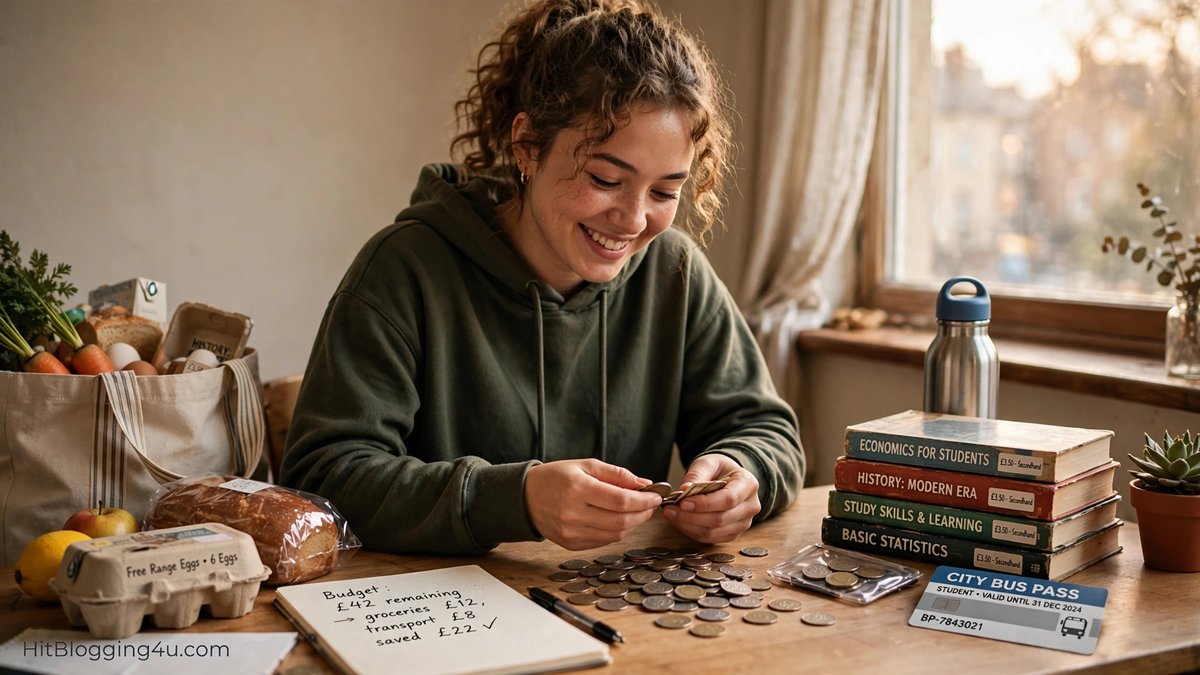
Food, books and transport are the three costs that quietly eat a student’s money every single week. Tuition and rent are fixed, but what you spend on meals, textbooks and getting to campus is mostly up to you. If you want to save money as a student, these three areas are where small changes add up fastest — often hundreds of dollars or pounds over a single term, without giving up the fun parts of student life.
This guide gives you 25 practical ways to cut costs on food, books and transport. Pick five to start with this week, then add a few more each month.

Quick Wins to Save Money as a Student
Before you change what you buy, change how you see your money. These three quick wins take less than an hour to set up and make every other tip on this list easier.
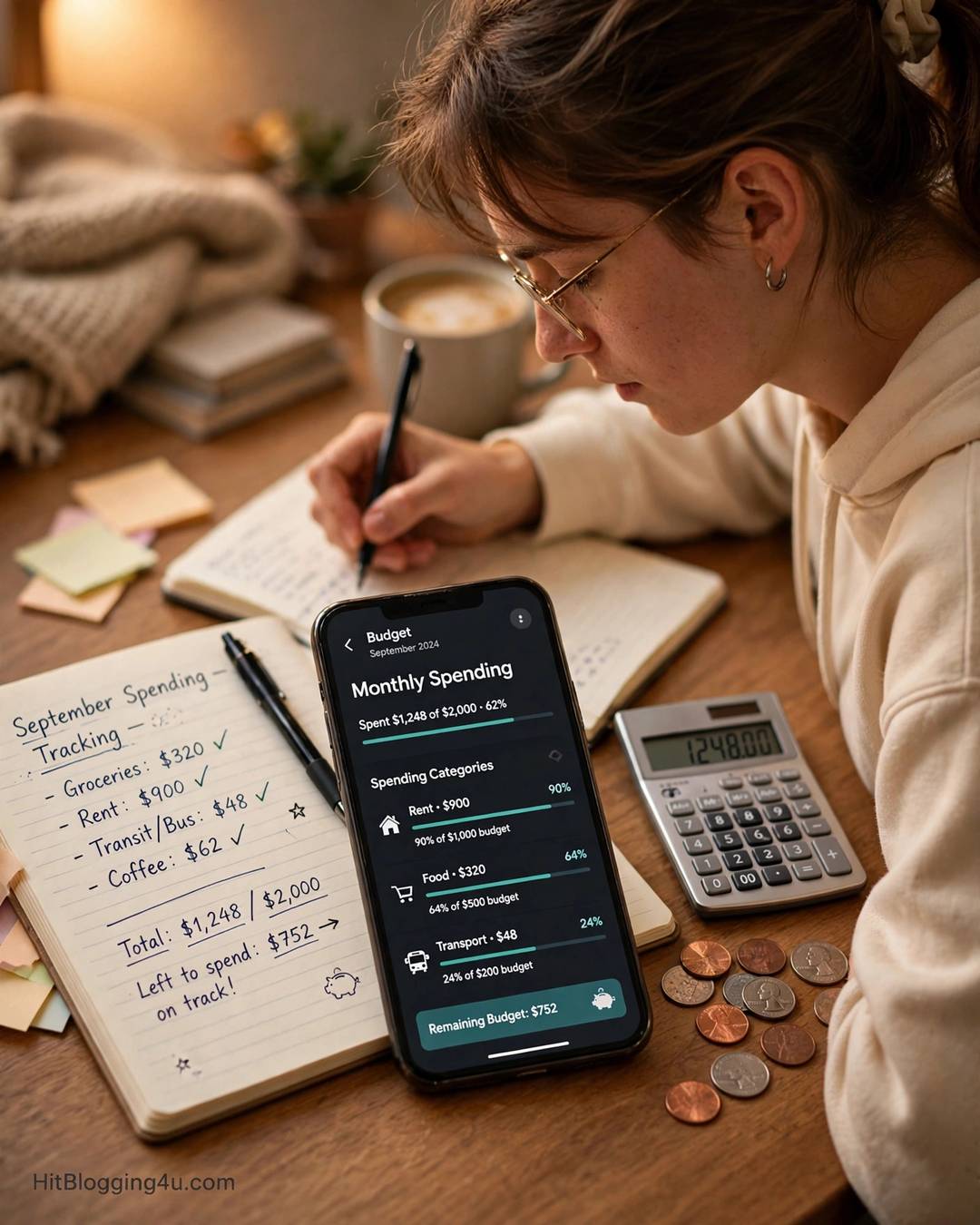
- Track every rupee, dollar or pound for one week. Write down everything you spend for seven days — food, bus fares, printing, coffee. Most students find one or two surprise leaks, usually snacks and delivery apps. You cannot fix what you cannot see.
- Set a weekly spending limit for food and transport. Take your monthly money, subtract rent and bills first, then divide what is left by four. Put that weekly amount in a separate account or envelope. When it runs out, you cook at home and walk. A simple plan like this is the backbone of a simple student budget that actually lasts the whole month.
- Carry your student ID everywhere and ask for a discount. Cafes, cinemas, bus companies, bookshops and even hair salons offer student prices — but only if you ask. Make “Is there a student discount?” your default question before you pay for anything.
Save Money as a Student on Food
Food is usually a student’s biggest flexible expense. Cooking at home instead of eating out can save thousands over a year, and you do not need to live on plain noodles to do it.

- Plan your meals before you shop. Choose four or five meals for the week, write a list, and buy only what is on it. A list built around a few planned meals cuts impulse buys and stops food going to waste.
- Cook at home most days. A home-cooked meal typically costs a third of the same dish from a restaurant or delivery app. Even cooking five nights a week instead of two can save a large amount over a term.
- Learn five cheap, filling recipes and rotate them. Pasta with vegetables, lentil curry, fried rice, bean stew and egg fried rice are cheap, quick and hard to get wrong. Master a small set of meals and you will never be stuck paying for takeaway because you “don’t know what to cook.”
- Batch cook on the weekend. Spend two hours on Sunday cooking a big pot of chilli, curry or pasta sauce, then freeze it in portions. A ready meal in your freezer beats an expensive takeaway on a tired evening every time.

- Pack your lunch instead of buying it on campus. A packed lunch costs a fraction of a cafe sandwich and drink. Make it the night before so a busy morning never becomes an excuse to buy lunch out.
- Shop at discount supermarkets and buy own-brand staples. Rice, oats, beans, eggs, frozen vegetables and seasonal fruit are cheap almost everywhere. Own-brand versions of the same product are often identical to the big brands at half the price.
- Cook with your flatmates and share the cost. Cooking one big meal for three or four people is far cheaper per person than cooking alone. Share staples like oil, rice and spices, and take turns cooking.
- Brew your own coffee and carry a reusable bottle. A daily cafe coffee can cost more per month than your phone bill. A flask of home-brewed coffee and a refillable water bottle save money every single day — and many cafes give a discount when you bring your own cup.
Save Money on Books
Textbooks are one of the few student costs you can cut dramatically without anyone noticing. The same book can cost full price at the campus store and a fraction of that from a library, a used-book seller or a free online collection.

- Check the library before you buy anything. Your university library often has the textbook you need, including e-book versions and short-loan copies at the desk. For a book you only need a few times, borrowing is free — and free always wins.
- Ask your teacher if an older edition is acceptable. A short email can save a lot. Older editions are usually almost identical in content and sell for a fraction of the newest edition’s price.
- Buy used textbooks from older students. Seniors finishing a course often sell their books for half price or less. Check noticeboards, class groups and campus buy-and-sell pages at the start of each term.
- Rent textbooks instead of buying them. If you only need a book for one term, renting can cost up to 80% less than buying new. Just note the return deadline so you never pay late fees.
- Compare prices with the book’s ISBN. Search the ISBN on price-comparison sites before you buy. The same book can be listed at very different prices, and five minutes of comparing often saves a third of the cost.
- Use free and open textbooks where they exist. Many introductory courses now have free, openly licensed textbooks, and older classics are available free from public digital libraries. Always check the free option first.
- Sell your books when the term ends — and share when you can. A book that holds its value can end up costing you very little once you sell it on. And if a classmate has a schedule that fits yours, share one copy and split the cost.
Save Money on Transport
Getting to campus every day adds up fast. Think of transport as a ladder: start with the free options, then pay only for the cheapest option that fits your distance.
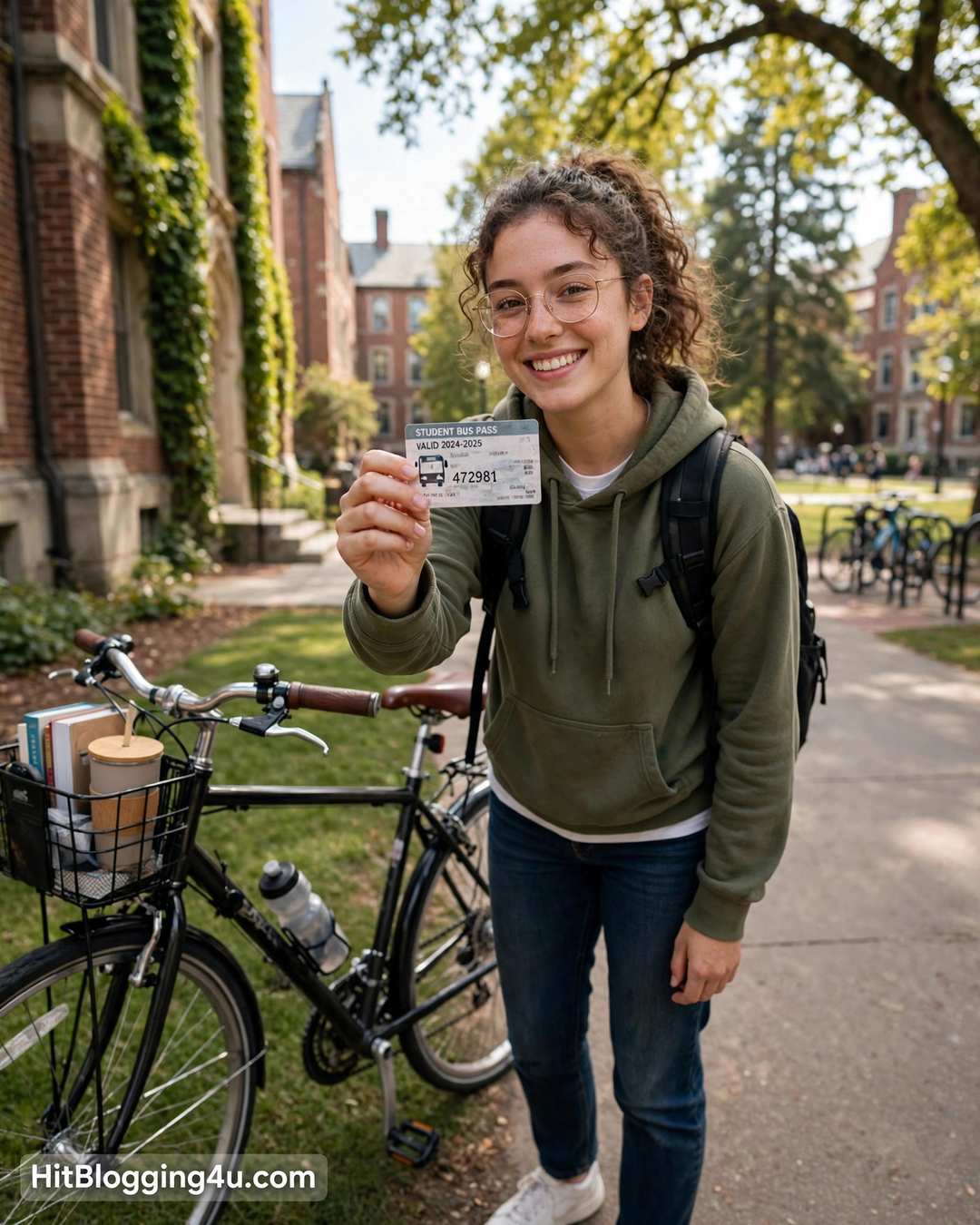
- Walk whenever the distance allows. It costs nothing, keeps you healthy and needs no timetable. If your campus is within 20–30 minutes on foot, walking a few days a week saves real money.
- Get a second-hand bicycle. A used bike and a good lock can pay for themselves within a term compared with daily bus fares. Learn basic maintenance — fixing a puncture yourself costs almost nothing.
- Buy a student travel pass, not single tickets. Most cities offer student bus, metro or rail passes at a big discount. A monthly or term pass almost always beats paying per ride if you travel daily.
- Use the free campus shuttle. Many universities run free shuttle buses between halls, campus and nearby transport hubs. Check the timetable once — it may cover trips you are currently paying for.
- Carpool with classmates who live nearby. Sharing rides splits fuel and parking costs, and it turns a boring commute into social time. Agree on a simple rota so everyone takes a turn driving.
- Book long trips early and compare options. Train and coach tickets are usually cheapest weeks ahead. Compare the train, the coach and a shared ride before you book a trip home — the cheapest option is rarely the first one you check.
- Claim every transport discount you are entitled to. Railcards, youth coach cards and student fare schemes can cut a third off regular fares. Some pay for themselves after a single long journey, so check what exists in your country before your next trip.
Put It All Together
You do not need to do all 25 things at once. Start with the three quick wins, then pick two food tips, two book tips and two transport tips for your first month. That alone can easily save you the cost of a textbook or a month of bus fares.
The real secret to save money as a student is not about being strict — it is about building a simple system: a weekly budget, a few cheap meals you can cook without thinking, books bought second-hand or borrowed, and the cheapest way to campus each day. Once the system runs itself, the savings happen automatically.
Put the money you save somewhere useful. Even a small amount set aside each month grows into a safety net — see how to build a small emergency fund on a student income. And if you want your money to grow instead of just shrink, look at side hustles for students that take only 5 hours a week or part-time remote jobs for students that actually pay.
Frequently Asked Questions
What is the fastest way to save money as a student?
Start with food: plan your meals, cook at home and pack your lunch. Food is the biggest flexible expense for most students, so changes there show up in your bank balance within a week. Add a weekly spending limit and track your spending for seven days to find your biggest leak.
How much should a student spend on food per week?
It depends on your country and city, but a student who cooks at home, shops at discount supermarkets and packs lunch can usually eat well for far less than one who eats out daily. Set your weekly food budget from your total monthly money after rent and bills, then track it for a month and adjust.
Is it cheaper to rent or buy textbooks?
Renting is usually cheaper if you need the book for one term only — rentals can cost up to 80% less than buying new. Buying used is better if you will use the book for a full year or can resell it afterwards for a good price. Always check the library and free open textbooks first, because free beats both.
How can students save money on transport?
Walk or cycle for short trips, buy a student travel pass instead of single tickets, use the free campus shuttle, and carpool with classmates. For longer trips, book trains or coaches early and claim any student rail or coach card discount available in your country.
Do student discounts really make a difference?
Yes. A student travel pass, a railcard or a discount card can cut a third off fares, and student prices on food, software and transport add up over a term. Always carry your student ID and ask — many discounts are not advertised.
What should I do with the money I save?
First, build a small emergency fund so one surprise bill does not force you into debt. After that, you can save for a bigger goal or invest in something that earns — a skill, a side hustle or better study tools. Saving is only half the job; giving the saved money a purpose is the other half.