

You found the perfect freelance job. You spent an hour writing your proposal. You hit send — and heard nothing. Every student freelancer knows that silence. The truth is, most proposals fail for the same few fixable reasons: they talk about the freelancer instead of the client, they are too long, or they look exactly like the 49 other proposals the client received.
This guide shows you how to write a freelance proposal that gets replies, with a copy-paste freelance proposal template built for students who have no client work yet. You will learn the four-part structure that works on Upwork, Fiverr, and direct outreach, how to price your first jobs, and what to write when a client goes quiet
 .
Why Most Proposals Get Ignored
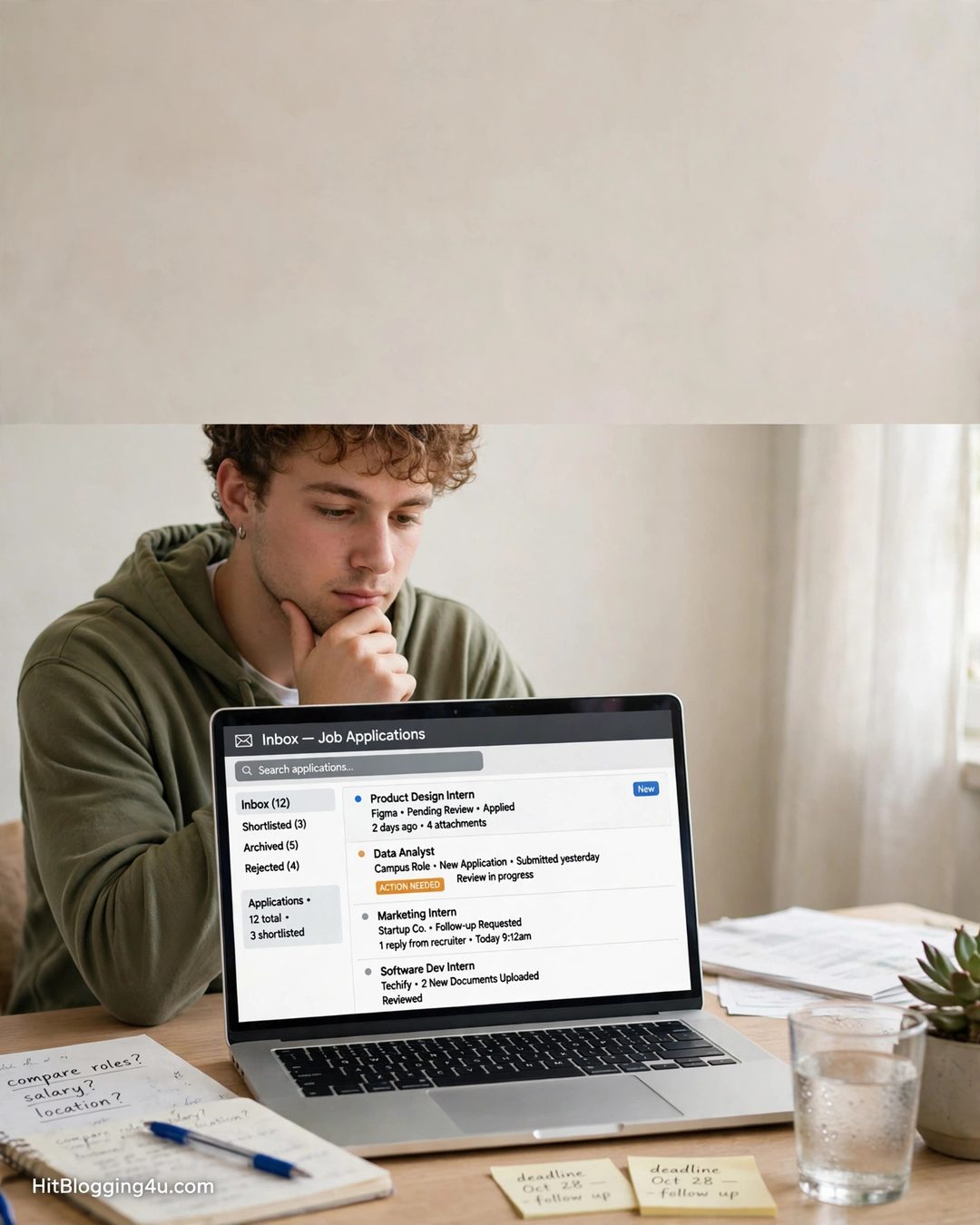
Clients hiring on Upwork or Fiverr often receive 20 to 50 proposals for one job. They skim. Research and freelancer experience agree on what kills most applications in the first two lines:
- It starts with you, not them. “Hi, I’m a student with 2 years of experience in…” — the client does not care yet. They care about their problem.
- It is copy-pasted. A generic proposal that could fit any job signals that you did not read the brief. Clients can tell in seconds.
- It is too long. A 500-word proposal for a small job never gets read. Platform bids should be 150–200 words; direct-client proposals can be longer, but only when the project is bigger.
- No proof, no plan, no next step. The client finishes reading and still does not know what you will do, when, or what happens next.
Fix those four things and you are already ahead of most applicants. The structure below does exactly that.
The 4-Part Proposal Structure That Gets Replies
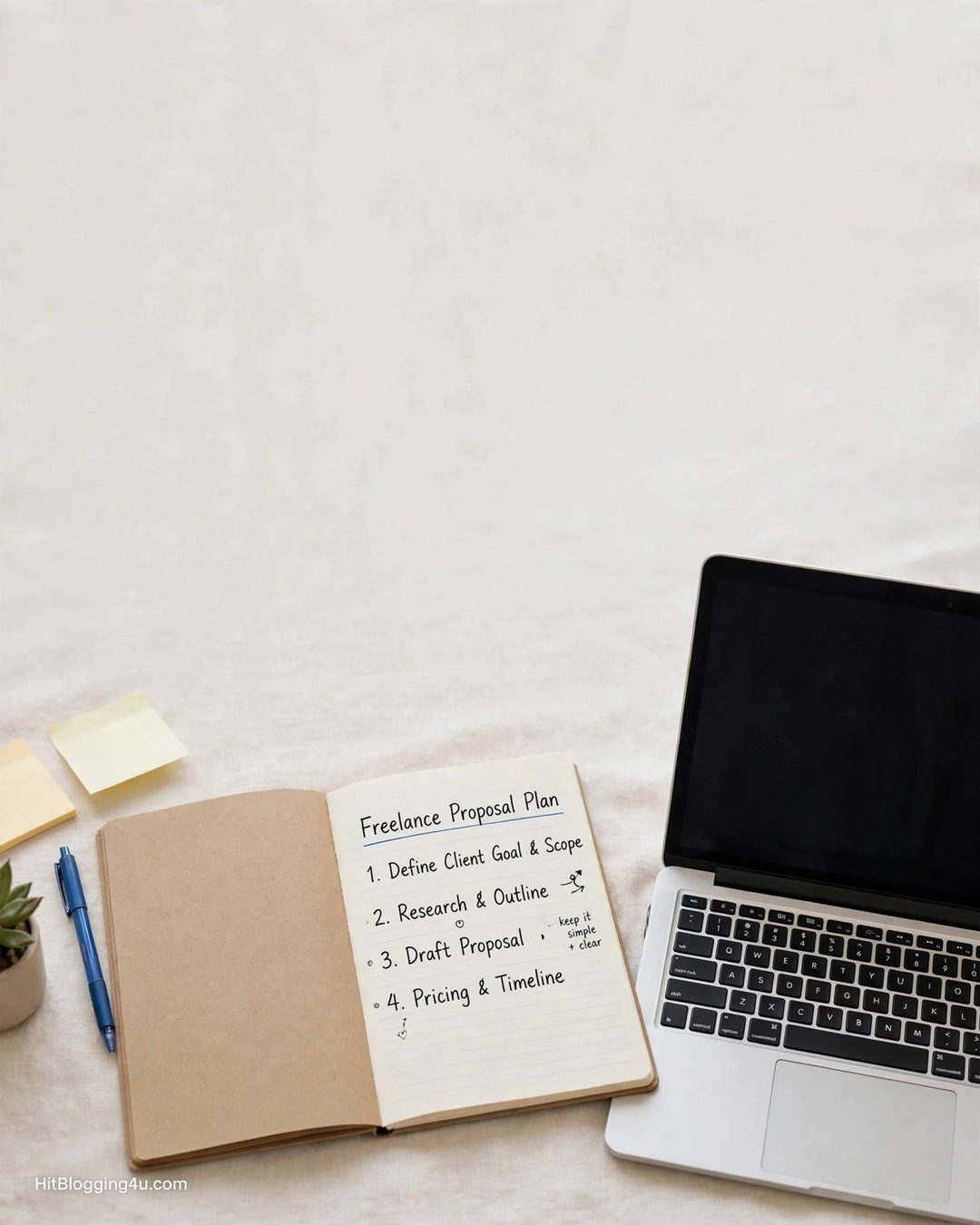
Every winning proposal has the same four parts, in this order. It fits in 5 to 8 lines on a platform bid, and it works for students with no client history because it leads with understanding, not credentials.
Part 1 — Show you read the job (lines 1–2). Repeat the main thing they asked for in your own words. Example: “You need five short reels for your cafe, with captions in English, by the end of the month.” When clients feel understood, they keep reading.
Part 2 — Give one piece of proof (line 3). One relevant example: a link to a similar project, or a short description of something you made. If you have no client work, a sample or practice project is fine — as long as it is real and relevant.
Part 3 — State your plan (lines 4–5). Say how you would do the work and how long it takes. Example: “I will send a first version in three days, then fix up to two rounds of changes.”
Part 4 — One clear next step (last line). End with a question or an action. Example: “Can you share the raw clips and the music style you like?” A proposal that ends with a question gets more replies than one that ends with “Looking forward to hearing from you.”
Copy-Paste Freelance Proposal Template (for Students)
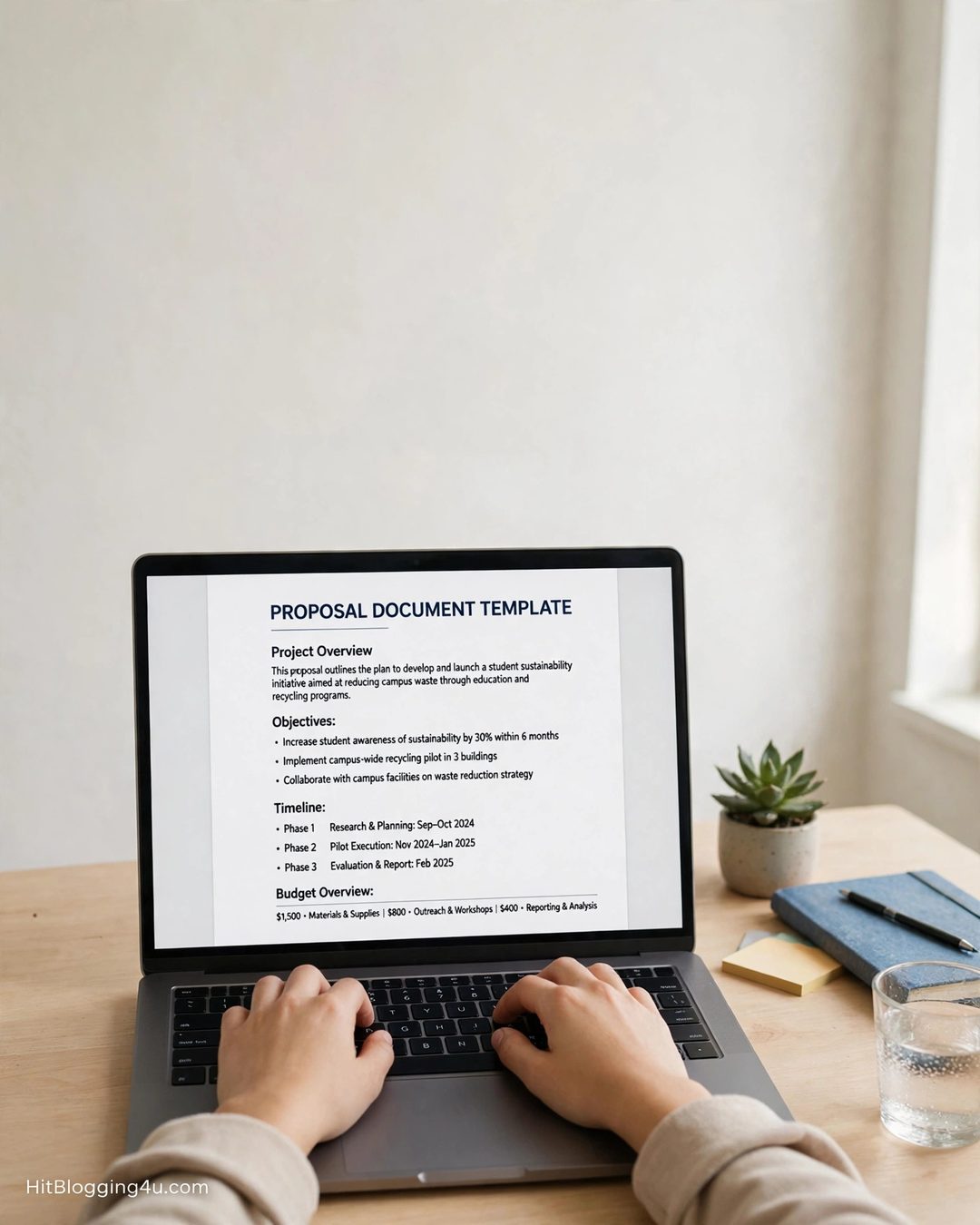
Use this template for Upwork, Fiverr, and direct messages. Replace everything in brackets — and rewrite the first two lines for every single job. Never send it unchanged twice.
Hi [Client Name],
You mentioned you need [restate their problem or goal in one line — use their own words].
I help [who you help] achieve [outcome], and I can do the same here. For example, I recently [one relevant sample or practice project — link it].
Here is how I would do it: [step 1], then [step 2], with a first version in [number] days and up to [number] rounds of changes included.
For this project, my price is [amount], with [30–50%] paid in advance. If this looks right, reply with [one question — e.g. “Can you share the files I would start with?”] and I will get started right away.
Thanks,
[Your Name] | [Portfolio link]
Keep the platform version to 150–200 words. Short proposals get read; long ones get skimmed and skipped.
The Upwork Version: Even Shorter
On Upwork, your first two lines are the whole game — clients see them in a list before they click. Open with the outcome, not your name:
Hi [Name], I can deliver [result they asked for] by [date]. I recently made [one relevant sample — link], and I would do yours in three steps: [brief plan]. Price: [amount]. Shall I start with [first small step]?
Three extra Upwork tips for students: attach one sample file rather than linking out (clients click attachments more); answer the client’s screening questions directly instead of repeating your proposal; and apply within the first few hours of a job posting, when the client is still actively reading proposals.
How to Price Your Proposal

Beginners either hide the price or guess wildly. Do neither. State your price with context:
- First 3 gigs: price slightly below the normal beginner rate to win reviews. For writing, design, or VA work, that is roughly $10–$20 per hour.
- After 2–3 good reviews: charge the full beginner rate ($15–$40 per hour depending on skill and niche).
- Two-option pricing: when the project allows it, offer a basic option and a premium option (for example, 5 reels for $50, or 10 reels plus captions for $90). Giving two options changes the client’s question from “should I hire you?” to “which package?” — and it raises your average project value.
- Always take an advance: 30–50% before you start. State it plainly in the proposal; serious clients expect it.
If you are still deciding what to charge overall, read our guide to student income options and our list of legitimate work-from-home jobs with no startup fees for realistic beginner rates.
What to Write When You Have No Client Work Yet
This is the question every student freelancer asks, and the answer is simple: use sample work as proof. A sample is real work — it just was not paid for. In your proposal, say so honestly:
“I have not done this for a paying client yet, so I made a sample for a business like yours — here it is. If you like it, I will make yours the same way, in three days.”
That is more convincing than an empty claim of experience, and clients respect the honesty. Make three samples before you start applying — one per skill you offer — and keep them in a public folder or free portfolio page you can link in every proposal. If you are still choosing your skill, our guide to skills and side hustles for students will help you pick one.
Follow Up Without Being Annoying
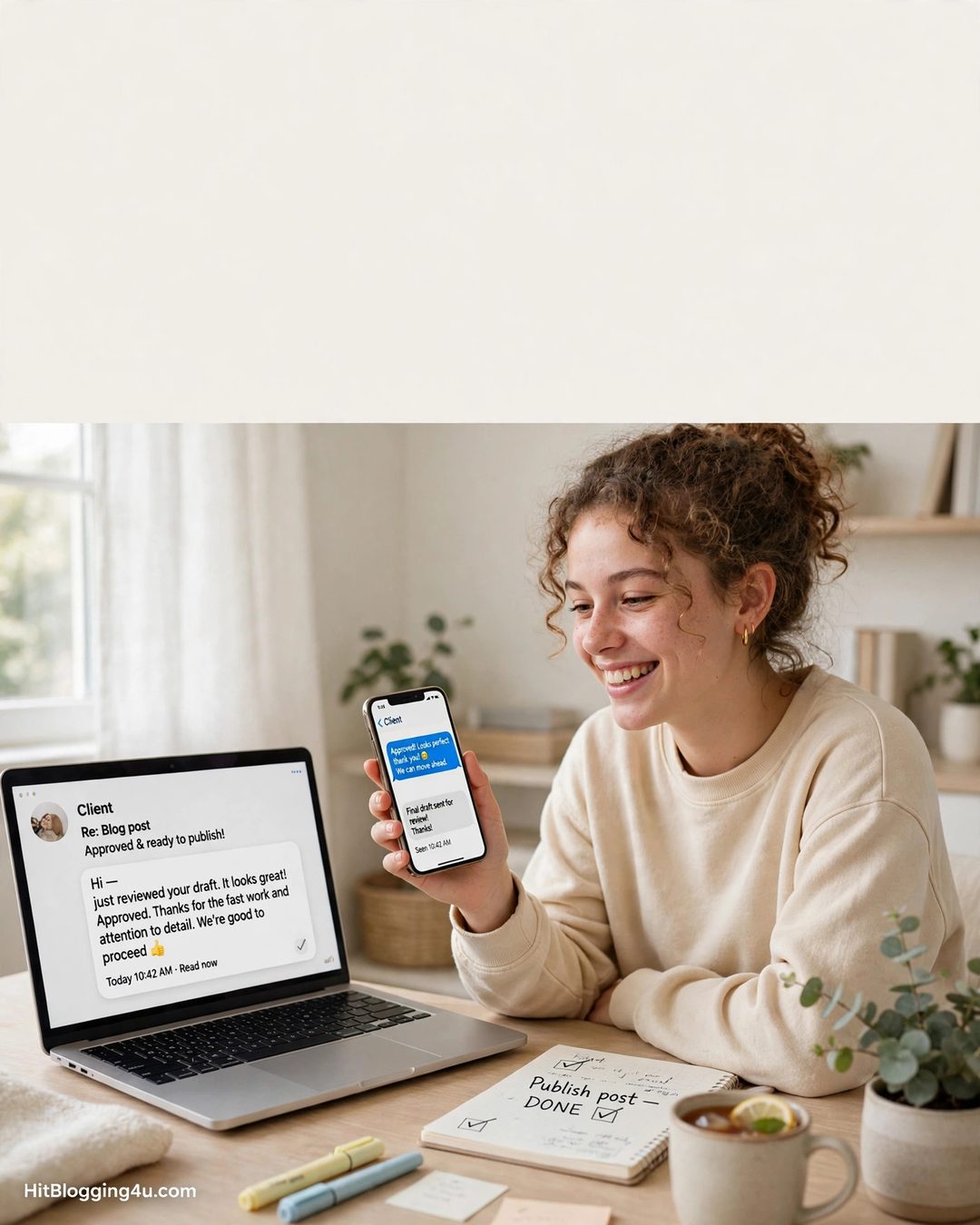
Most replies come after a follow-up, not the first message. If a client has not replied in 2–3 days, send one short message:
Hi [Name], just checking in on my proposal for [project]. I am still free to start this week — would a quick 10-minute call on [day] help you decide? Happy to send the sample again if it got buried.
One follow-up is professional. Three is pushy. If there is still no reply after the follow-up, move on — silence is an answer, and your time is better spent on the next proposal. Track your reply rate: if fewer than 1 in 10 proposals gets a reply, your opening lines need work, not your skills.
Mistakes That Kill Proposals
- Copy-pasting the same proposal to every job without changing the first two lines.
- Leading with your life story instead of the client’s problem.
- Promising what you cannot deliver. If the job needs three things and you can do two, say so — and say which two.
- No portfolio link. Always include one, written in full with https:// so it is clickable, even if it is just a Google Drive folder.
- Forgetting the price or the next step. A proposal without a price or a call to action leaves the client guessing — and guessing clients say no.
- Paying to apply. If a “client” asks you to pay a fee before you can start work, it is a scam. Real work pays you.
Frequently Asked Questions
How long should a freelance proposal be?
Around 150–200 words for a platform bid on Upwork or Fiverr, and two to five pages only for a full project proposal to a direct client on a larger job. Short, specific proposals get far more replies than long ones.
What should a freelance proposal include?
A personalised opener using the client’s name and problem, your solution and scope, deliverables, timeline, pricing, one piece of proof, payment terms, and a single clear next step.
Can a student get replies with no client work?
Yes. Use sample work as proof — a real project you made for practice — and say so honestly. Three strong samples and a personalised opening line beat an empty claim of experience every time.
Should I write a different proposal for every job?
Yes — at least the first two lines and the proof. Templates save time, but a proposal that looks copy-pasted gets ignored. Customise the opening, the plan, and the price for each job.
How many proposals should I send per week?
Five to ten well-targeted, personalised proposals beat fifty generic ones. Track your reply rate and improve your opening lines before you increase volume.
A great proposal is not about sounding impressive. It is about showing one client, in a few short lines, that you read their brief, you can solve their problem, and you know what happens next. Use the template above, customise it for every job, and send five this week. Then check your reply rate in two weeks — and fix the opening lines before you send fifty more.